
Vision 2030 and Energy Efficiency — The Role of Building Insulation
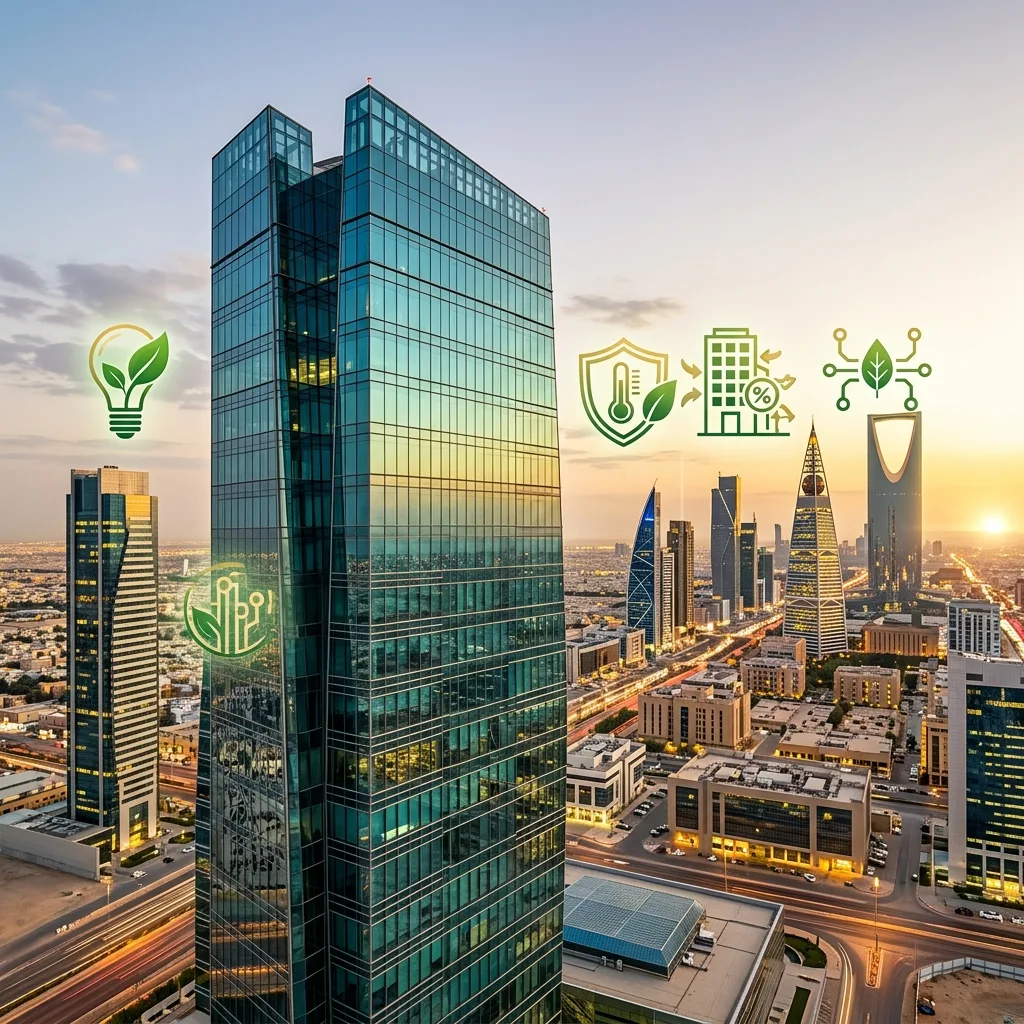
Vision 2030 aims to reduce energy consumption by 30% by 2030. Buildings consume 70% of Saudi Arabia's electricity — and windows are the weakest insulation point. The SBC 601 building code requires an SHGC coefficient not exceeding 0.25 in Jeddah. Insulating glass with nano-ceramic films achieves 0.15-0.22 SHGC and saves 35-40% on AC bills.
Saudi Arabia's Vision 2030 places energy efficiency at the forefront of its economic and environmental priorities. Buildings consume roughly 70% of the total electricity produced in the Kingdom, and glass windows are the weakest link in any building's thermal insulation system. The Saudi Energy Efficiency Center (SEEC) has set strict standards for new and existing buildings via the SBC 601/602 building code. In this guide, we explain how glass insulation contributes to achieving these national goals — with actual savings calculations.
Table of Contents:
- Vision 2030 Energy Goals
- Saudi Building Code
- Role of Insulation in Savings
- Government Incentives
| Standard / Program | Target | Role of Glass Insulation | Financial Impact |
|---|---|---|---|
| SBC 601 Code (New Buildings) | SHGC ≤ 0.25 | Film achieves 0.15-0.22 ✅ | Prerequisite for construction permit |
| SBC 602 Code (Existing Buildings) | Improve energy efficiency | Fastest solution without breaking | Saves 35-40% electricity |
| "Kafa'ah" National Program | Reduce 30% consumption by 2030 | Directly reduces AC load | 10,000+ SAR annual home savings |
| Green LEED Certification | 3-7 points in Energy & Atmosphere | Core evaluation standard | Raises rental value 15-25% |
Saudi Building Code SBC 601: What You Must Know
The SBC 601 code mandates all new buildings in Climate Zone 1 (including Jeddah, Mecca, Taif) that the window Solar Heat Gain Coefficient (SHGC) must not cross the 0.25 barrier. Regular uninsulated glass scores between 0.70 and 0.82 — failing miserably.
Nano-ceramic thermal insulation films achieve an SHGC between 0.15 and 0.22 — completely compliant with the code without needing glass replacement. Existing buildings that add glass insulation meet SBC 602 requirements for renovation and energy savings.
Real Savings: Numbers from Completed Projects
A villa in Al-Safa district, Jeddah (300m²): The bill dropped from 3,200 to 1,800 SAR monthly — 44% savings. A 5-story office building with glass facade: 230,000 SAR annual savings.
Commercial showroom: Recovered insulation cost in just 11 months (ROI). Public school: 35% savings + added safety for students via glass cohesion if broken.
Windows facing west and south transfer 60% of heat — start with them first for maximum return.
LEED Certification and Property Value
A building with a Green LEED certification sees its rental value increase by 15-25% in the Saudi market. Glass insulation grants 3-7 points in the "Energy & Atmosphere" category and is one of the easiest to achieve.
Modern real estate valuation calculates energy efficiency as a core factor in estimating building value. In Jeddah specifically: insulated commercial buildings are leased 40% faster than uninsulated ones because tenants look for lower electricity bills.
Frequently Asked Questions
Is glass insulation mandatory in new buildings?
Yes. The Saudi Building Code SBC 601 mandates new buildings to achieve specific glass insulation standards (SHGC ≤ 0.25). Buildings that fail to comply may face delays in operating permits and fines.
How does glass insulation help in getting LEED certification?
Glass insulation grants the building 3-7 points in the Energy & Atmosphere category within the LEED evaluation. It is one of the fastest solutions to implement and lowest in cost compared to changing AC systems or structural insulation.
Is there government support for insulating existing buildings?
The "Kafa'ah" program supports energy-saving solutions. Some city municipalities provide facilities for buildings complying with SBC 601 standards. Commercial building insurance is cheaper with an energy efficiency certificate.
⚠️ Warning: Buildings non-compliant with SBC 601 standards after 2025 may face financial fines and delays in issuing and renewing operating permits. Glass film insulation is the fastest and cheapest way to comply — without breaking or halting building activity.