
Skin Cancer and Driving: How Window Tinting Blocks 99% of Harmful UVA/UVB Rays
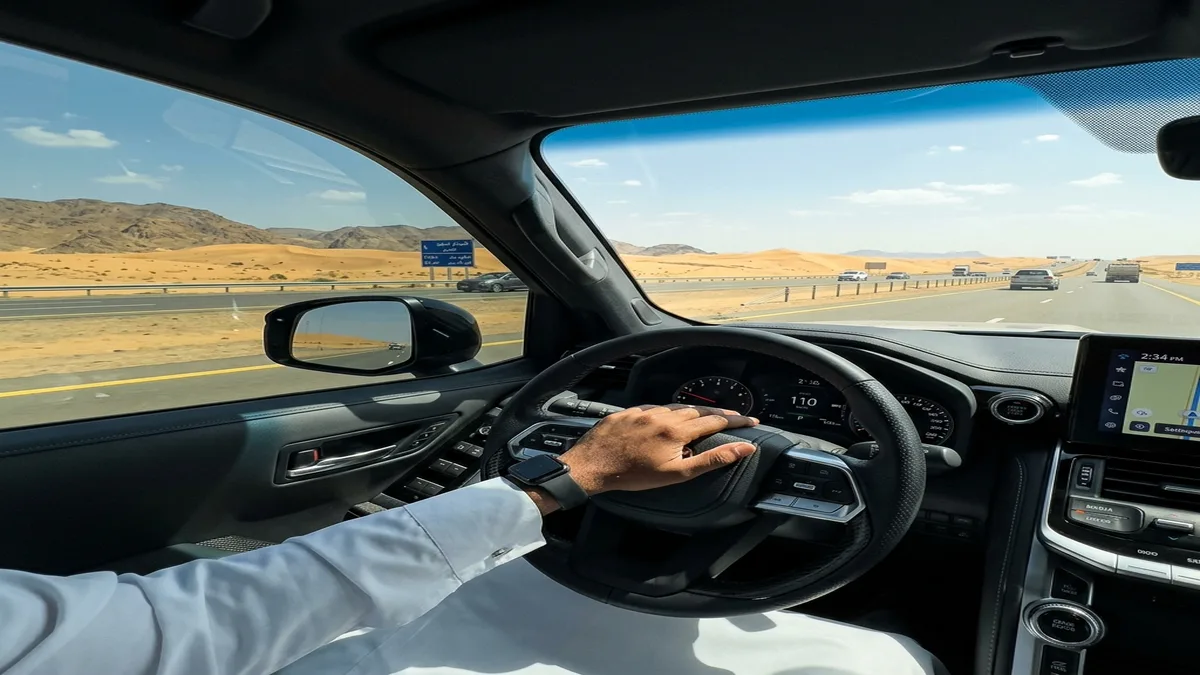
Car side glass blocks only UVB rays (sunburn-causing), but allows over 63% of deep UVA rays that destroy collagen and cause melanoma skin cancer. Professional Nano Ceramic tinting blocks 99.9% of the full UV spectrum — with protection equivalent to SPF 285+.
Driving daily in Saudi Arabia's streets doesn't just expose you to the sun's heat, but to an invisible enemy silently attacking your skin cells: Long-wave Ultraviolet rays (UVA). According to the World Health Organization (WHO), Saudi Arabia is classified in the "very high UV index" zone (10-12+) for over 8 months annually. A study published in the Journal of the American Academy of Dermatology proved that drivers in high-radiation countries experience skin aging 3 times faster on the sun-exposed side. In this medical-engineering report, we reveal with numbers and scientific evidence how professional tinting can be the first line of defense against skin cancer and premature skin aging.
Table of Contents:
- Dermatologists Warnings About Driving in Saudi Arabia
- The Difference Between UVA and UVB Rays and Their Impact
- How Original Tint Prevents Sunburns
- Tinting and Prevention of Face and Hand Wrinkles
| Glass Type | UVB Block (Burns) | UVA Block (Cancer/Aging) | IR Heat Block |
|---|---|---|---|
| Windshield (Laminated) | 99% ✅ | 95-99% ✅ | 20-30% ⚠️ |
| Side Glass (Tempered) No Tint | 90% ✅ | Only 37% ❌ | 15% ❌ |
| Commercial Dyed Tint | 95% ✅ | 70-80% ⚠️ | 15-25% ❌ |
| Nano Ceramic Tint (3M/Johnson) | 99.9% ✅ | 99.9% ✅ | 80-97% ✅ |
Why is the Left Arm More Vulnerable? — The "Driving Sun" Phenomenon
A landmark study in JAMA Dermatology proved that 74% of melanoma skin cancer cases on a driver's body appear on the side closest to the window. In Saudi Arabia (left-hand drive), the left arm and left side of the face and neck are exposed to continuous UVA radiation throughout driving.
Symptoms accumulate silently over years: Dark pigmentation (melasma) appears 3 times faster on the left side. Deep wrinkles (Photoaging) start from age 30 in regular drivers.
Skin thinning and visible capillaries (Spider Veins) appear. In advanced cases: Actinic Keratosis that may develop into malignant tumors.
Most dangerously, this damage doesn't show immediately — 10-15 years of daily driving may pass before signs become clearly visible.
Car Glass: The Scientific Truth Drivers Don't Know
The car windshield is designed as Laminated glass containing a PVB plastic layer in the middle that blocks 95-99% of UV rays. This is why you rarely get sunburned through the windshield.
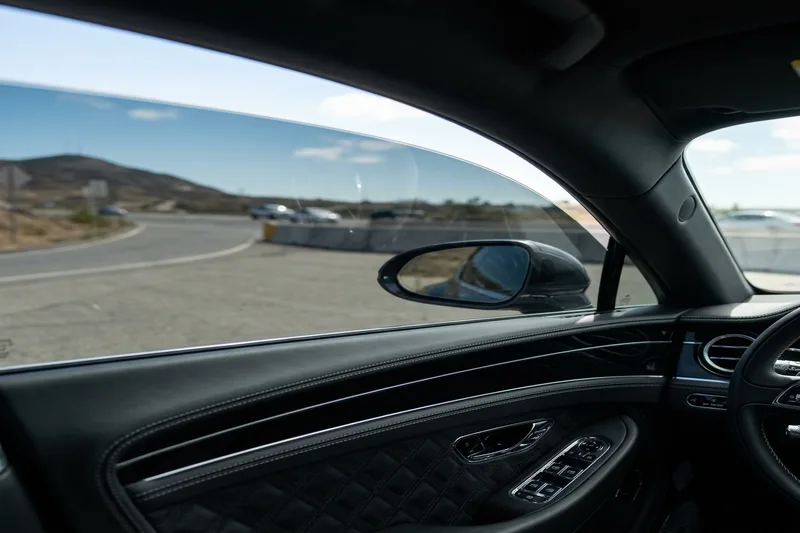
But here's the surprise: side and rear windows are made from Tempered Glass for crash safety reasons — and this glass allows 63% or more of UVA rays to pass. In other words: your body is protected only from the front, while your left side is completely exposed.
This isn't a design flaw — it's a safety priority: tempered glass breaks into small, blunt pieces during accidents, while laminated glass stays intact. Therefore, tinting is not a cosmetic option — it is literally a medical necessity to close the protection gap in side windows.
The Skin Cancer Foundation Recommends Tinting — Medical Standards
The Skin Cancer Foundation has granted the "Seal of Recommendation" to car tint films that provide UV protection equivalent to SPF 285 or higher. This means the certified film provides protection 5 times better than the strongest commercially available sunscreen (SPF 50+).
All Nano Ceramic films at AzelCore (3M Crystalline, Johnson Quantum, XPEL) block 99.9% of the full UV spectrum and exceed the Foundation's standards. The decisive advantage: Regular Sunscreen loses its effectiveness after two hours and needs continuous reapplication — while tinting provides permanent 24/7 protection for the film's lifetime (10-15 years).
For children in rear seats: they are most at risk because their skin is 20-30% thinner than adult skin, allowing UVA rays to penetrate deeper.
Clear Tinting: Medical Protection Without Traffic Violations
The most common objection: "Dark tinting is prohibited by traffic law." The truth is medical protection does not require dark tinting at all. 3M Crystalline 70 films (with 70% VLT transparency) appear completely clear and comply with all Saudi traffic regulations, yet block 99.9% of UV rays and 97% of infrared rays.
You can fully protect your family with tinting that a traffic inspector cannot even notice. This is the fundamental difference between cosmetic tinting (only blocks vision) and engineered tinting (only blocks harmful radiation).
The technology allows installing a transparent protective film even on the windshield in special medical cases (lupus patients, photosensitivity) with documented medical approval.
Frequently Asked Questions
Does tinting really protect against skin cancer?
Yes. The Skin Cancer Foundation officially recommends tinting car side windows as a preventive measure. Certified Nano Ceramic films provide protection equivalent to SPF 285+ — 5 times stronger than the best sunscreen. Protection is continuous for the film's lifetime (10-15 years).
Is Sunscreen enough while driving?
Sunscreen loses effectiveness after two hours and needs reapplication. While driving, it's impractical to reapply every two hours on your arm and face. Tinting is the permanent solution that requires no daily maintenance or renewal.
Are children in the car more vulnerable to UV damage?
Children's skin is 20-30% thinner than adults, allowing UVA rays to penetrate deeper. Early and repeated UV exposure in childhood increases the risk of skin cancer later by up to 80%. Rear window tinting is a health necessity for children.
Does clear tinting (70% VLT) provide enough UV protection?
Yes. Modern technology has separated light transparency from radiation blocking. 3M Crystalline 70 is 70% transparent (barely noticeable) yet blocks 99.9% of UV and 97% of heat. Medical protection does not require dark tinting — just advanced nano technology.
⚠️ Warning: Regular Sunscreen loses effectiveness after two hours and only protects the applied area. Professional tinting provides continuous, permanent, comprehensive protection for you and your children while in the car. Do not rely on cream alone — your children's skin is thinner and more vulnerable.